Cruising With a Wheelchair, Scooter, or Limited Mobility: What You Need to Know Before You Book
Wednesday, October 07, 2026
Some of the links are affiliate links, which means I may earn a small thank you if you book through them, at no extra cost to you... Please note that I’m not responsible for any issues related to products, bookings, activities, or excursions made through these links.
See the world through a local’s eyes with ToursByLocals. Connect with passionate guides who’ll show you hidden corners, share authentic stories, and help you experience each destination in a truly personal way.

Hey Traveler,
Maybe you use a wheelchair or scooter. Maybe your travel companion does. Or maybe you’re planning a family vacation with an aging parent who has slowed down a little, but isn’t anywhere near ready to stop seeing the world.
Whatever brought you here, there’s good news:
Cruising can be one of the easiest ways to continue traveling when mobility becomes a concern.
Your “hotel” travels with you. You unpack once. Dining, entertainment, and activities are all right there. And instead of changing hotels every few days, the ship becomes your home base while you explore different destinations.
But, and this is a BIG but, not every cruise line, ship, cabin, or itinerary is created equally when it comes to accessibility.
The difference between an incredible accessible cruise and a frustrating one often comes down to decisions made before you ever book.
Here’s what you need to know.
Why Cruising Can Work So Well
Once you’re onboard, travel can become much simpler.
You’re not constantly packing and unpacking, figuring out transportation between cities, or wondering whether the next hotel will work for your needs.
On many modern cruise ships, elevators connect the major public areas, and accessible dining venues, theaters, lounges, and other spaces make it easier to enjoy the ship.
That can make cruising especially appealing for multigenerational families.
Grandma or Grandpa may not be interested in walking miles through a destination every day, but that doesn’t mean they have to stay home while everybody else travels.
The right cruise can give everyone a little more flexibility.
Accessible Cabins Book Early
This is one area where I don't recommend waiting until the last minute.
Accessible stateroom inventory is limited.
Depending on the ship, you may find fully accessible cabins designed for wheelchair or scooter users, ambulatory-accessible cabins with certain modifications, and cabins with features for guests who are deaf or hard of hearing.
But don't assume that the word “accessible” means the same thing on every ship.
Before booking, we need answers to questions like:
- How wide are the cabin and bathroom doorways?
- Is there a true roll-in shower?
- Are grab bars and lowered fixtures available?
- Can the cabin accommodate your specific mobility device?
- Is the balcony accessible?
- Are connecting cabins available if you're traveling with family or a caregiver?
This is why I want to know about mobility needs before we select the cabin, not after.
We Need to Talk About Tender Ports
This is a big one.
Some cruise ports don't allow the ship to pull directly up to a pier. Instead, the ship anchors offshore and smaller boats, called tenders, transport passengers between the ship and land.
Depending on the port, sea conditions, equipment, cruise line policies, and the passenger's mobility needs, tendering may not be possible or advisable for some travelers using wheelchairs or scooters.
And that's something you want to know before choosing your itinerary.
If getting off the ship at every destination is important to you, we'll want to look closely at how each port is scheduled to operate and what accessibility limitations may apply.
Port operations can change, so this is something that should always be verified for your particular sailing.
Don't Forget About Shore Excursions
Getting onto the ship is only part of the conversation.
What are you going to do once you arrive at the destination?
Depending on the port, there may be accessible transportation, slower-paced sightseeing, private tours, or attractions that can accommodate different mobility needs.
But again, we can't assume.
A tour described as “easy” may still involve uneven ground, stairs, cobblestones, long distances, or vehicles that can't accommodate a particular wheelchair or scooter.
This is why the excursion conversation needs to happen before the trip, too.
Choosing the Right Cruise Line, and the Right Ship
Several major cruise lines offer accessibility accommodations, but I don't like choosing based on the cruise line name alone.
The actual ship matters.
Newer ships may offer features that aren't available, or aren't available in the same way on older ships in the same fleet.
That's why I'd rather look at the traveler first.
What mobility device are you using?
Can you walk short distances?
Can you transfer independently?
Do you need a roll-in shower?
Will you need accessible transportation in port?
What activities matter to you?
Then we start looking at ships and itineraries that may fit those needs.
That's a much better approach than choosing a cruise because somebody on Facebook said, “Oh, that ship is accessible.”
Accessible for whom?
That's the question.
River and Expedition Cruises Are Different
This is where expectations really matter.
River cruise ships are much smaller than traditional ocean ships, and accessibility can be more limited. Some may not have elevator
access to every deck, and many itineraries involve historic towns, cobblestones, stairs, and walking-intensive excursions.
Expedition cruising is another category altogether.
Trips to destinations such as Antarctica and the Galápagos can involve Zodiac boats, uneven terrain, wet landings, and more physically demanding activities.
That doesn't automatically mean every traveler with mobility limitations has to rule these trips out.
It does mean we need to have a very realistic conversation about what the traveler can comfortably and safely do before booking.
What About Renting a Scooter or Wheelchair?
You don't necessarily have to travel with your own equipment.
Depending on the cruise line, departure port, and sailing, mobility equipment may be available to rent from approved or specialized providers.
That can include scooters and wheelchairs delivered for use during the cruise.
Medical equipment and other accessibility needs may require additional arrangements with the cruise line, so this isn't something I'd leave until the week before departure.
Tell me what you need early.
I'd much rather ask ten questions months before your trip than discover one problem when you're standing at the cruise terminal.
And Yes, Let's Talk About Travel Insurance
When medical conditions, mobility concerns, expensive equipment, or accessibility needs are part of your travel plans, travel insurance deserves a serious conversation.
Policies, benefits, exclusions, pre-existing-condition provisions, deadlines, and medical coverage vary.
I can help you understand when insurance should be considered and provide information about available options, but questions about
what a specific policy covers should always be confirmed directly with the insurance provider.
The Bottom Line
Mobility changes don't automatically mean travel has to stop.
Sometimes travel just needs to change with you.
And that's one reason I love cruising.
With the right ship, cabin, itinerary, and preparation, cruising can give travelers with mobility needs—and the people traveling with them—the opportunity to keep exploring without changing hotels every few days or navigating transportation from city to city.
But the key words are the right cruise.
Not just any ship.
Not just any cabin.
Not just any itinerary.
And definitely not, “We'll figure it out when we get there.” 😩
If you or someone you love uses a wheelchair or scooter, has limited mobility, or simply needs a slower and more comfortable way to travel, don't assume cruising isn't an option.
Let's talk about what you actually need first.
Then we can research the ships, cabins, ports, and experiences that may work best for you.
Because needing a little assistance doesn't mean you're finished seeing the world.
It just means we need to plan the trip differently.
Christy
Branch Out Travel

Looking for something a little different? Explore unique, off-the-beaten-path tours and activities through GetYourGuide. It’s a brilliant way to uncover hidden gems and local experiences you might otherwise miss.

Hi, Meet
Christy Knowles
AKA Travel Guru
Embracing Travel as a Vital Investment
For me, travel is about more than visiting new places or ticking destinations off a bucket list. It’s a conscious choice to slow down, invest in my health and well-being, and let the charm of a place uplift my spirit. Travel has a way of breathing new life into my marriage and closest relationships, filling them with renewed energy and connection.
Join our Facebook community!
Be part of a space where travel lovers share stories, inspiration, and tips for creating journeys that truly nourish the soul.

Discover the best of the United States at your own pace with Shaka Guide. Their self-guided audio tours make exploring easy and fun, giving you insider stories, local tips, and hidden gems along the way.

Ready to explore the islands like a local? Discover unforgettable adventures and hidden gems with Island Routes. From secret beaches to authentic cultural experiences, it’s the perfect way to see the Caribbean beyond the resorts.

Discover unforgettable tours and experiences with Viator. From iconic landmarks to local gems, you’ll find adventures that make every trip truly special.
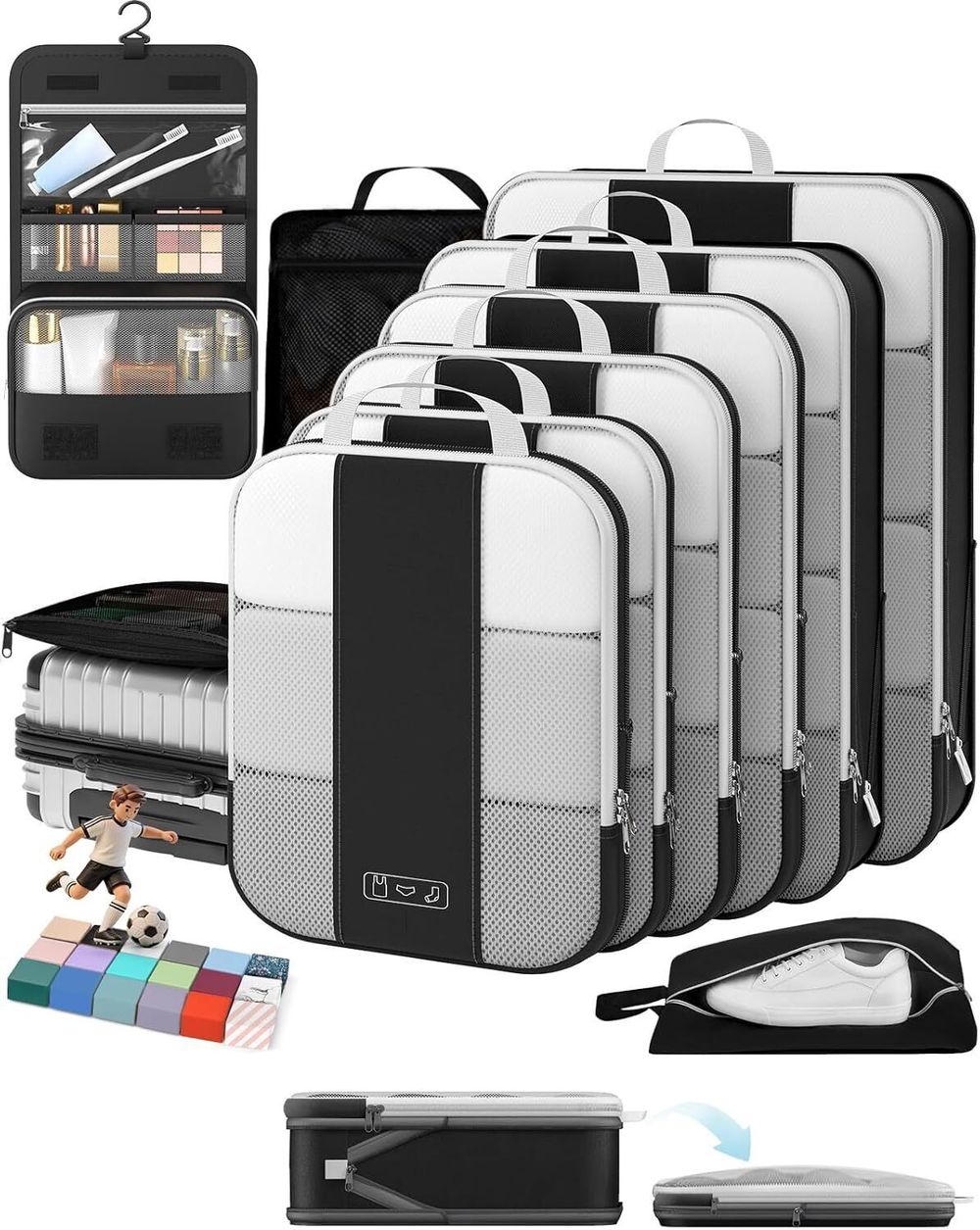
OlarHike 10 Set Compression Packing Cubes for Travel Essentials,Compressible Expandable Space Saver Bags for Organizing Clothes,Luggage Suitcase Garment Bags with Over 1000 pcs Mesh Holes(Black)

Apple AirTag (2nd Generation) - 4 Pack: Tracker for Keychain, Wallet, and More; Locator with Sound; Simple One-Tap Setup with iPhone or iPad; Key Finder

travel inspira Digital Luggage Scale – Portable Hanging Suitcase Weight Scale for Travel, 110 lb Capacity, Backlit LCD Display, Prevents Airport Overweight Fees, Battery Included

Soundcore by Anker Q20i Hybrid Active Noise Cancelling Headphones, Wireless Over-Ear Bluetooth, 40H Long ANC Playtime, Hi-Res Audio, Big Bass, Customize via an App, Transparency Mode

HydraPak Stow Collapsible Water Bottle – 350ml, 500ml, 1L – Ultralight, Leak-Proof, BPA-Free, Filter Compatible Travel & Hiking Flask

coofay Travel Backpack For Women Men Airline Approved Carry On Backpack Flight Approved Waterproof Sports Luggage Backpack Casual Daypack Small Hiking Backpacks Black Backpacks